
Espresso is a drink, not an ingredient: What Makes Tolento™ Different
Mixing an espresso drink into honey doesn’t just sound off to coffee people—it can also break basic honey science. Products marketed as “espresso infused” honey risk confusing customers about what’s really in the jar and what is chemically happening inside it.
Espresso is a drink, not an ingredient
Espresso is already-brewed coffee: ground coffee plus hot water under pressure. When a brand says it “infuses” honey with espresso and literally mixes the liquid drink into honey, it is adding a high‑water beverage to a low‑water food that is naturally self‑preserving. That is very different from infusing honey with dry coffee grounds or aromatic components, which do not contribute free water in the same way.
When marketing blurs the line between “espresso‑flavored” and “espresso drink mixed into honey,” customers are left guessing whether they are buying a shelf‑stable infused honey or a honey‑based syrup with elevated moisture that behaves more like a perishable product than true raw honey. This is where mislabeling or misunderstanding can start to creep in.
Why water content in honey matters
Honey is naturally low in water—typically around 17–18%—and that low moisture is what keeps wild yeasts from growing and prevents fermentation under normal conditions. Food safety and beekeeping guidance consistently note that once honey’s moisture rises above about 19%, the risk of fermentation climbs sharply, especially over time.
Mixing an espresso drink (which is mostly water) into honey can easily push the overall moisture level upward. If the final product’s effective water content in the honey phase climbs toward or above that 19% zone, conditions become ideal for yeast growth, alcohol production, and eventual sour, fizzy, or fermented flavors—exactly what most customers do not expect when they buy “honey.”
When “infusion” is used loosely
Some brands describe “espresso infused honey” as honey that has been steeped with espresso grounds over time, which, if done correctly and filtered well, can add flavor without dumping in a large volume of liquid. Others market espresso or coffee honeys in ways that make it sound as if a finished espresso beverage has been blended into the honey itself, raising natural questions about moisture, shelf life, and whether the term “raw honey” still fits.
Using the word infused loosely—without clarifying whether it is a dry infusion (grounds or beans) or a wet infusion (prepared drink)—can mislead consumers about stability, water activity, and how long the jar can safely sit on a shelf. In a category where a small shift in moisture can mean the difference between stable and fermenting, that lack of precision matters.
Why CafeTolento’s approach is different
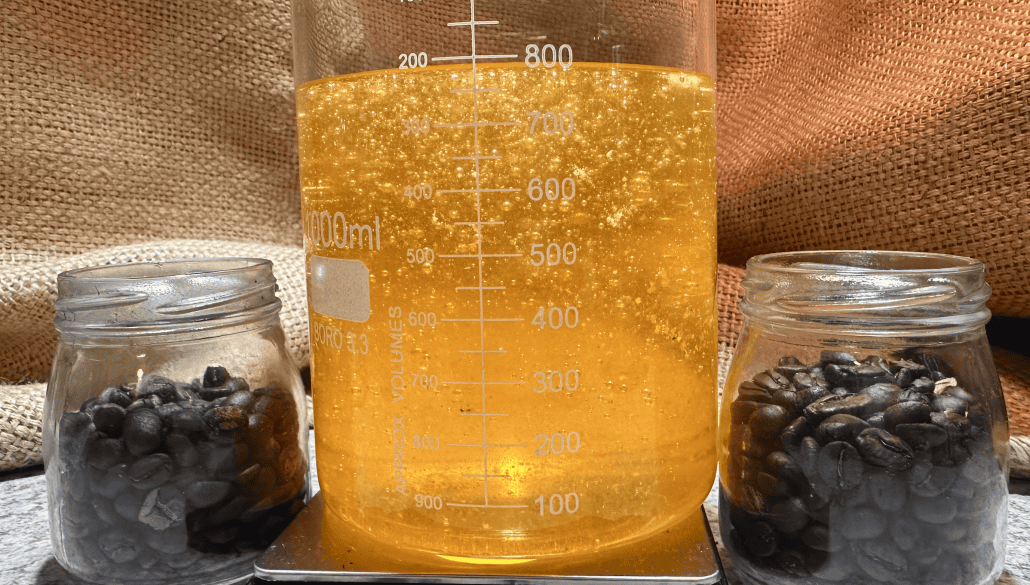
CafeTolento positions Tolento™ Coffee Infused Honey as the opposite of “dump some espresso into honey and call it a day.” The emphasis is on a proprietary infusion process that does not involve mixing an espresso beverage—and its significant water content—directly into honey, precisely to avoid driving moisture into the danger zone that encourages rapid yeast growth and fermentation.
By focusing on research, water activity, and process control, CafeTolento can keep the honey’s moisture within the safe range while still delivering a distinct coffee profile. That means customers get true coffee‑infused honey, not a thinned honey syrup slowly drifting toward fermentation on the pantry shelf. Education around moisture, fermentation risk, and what “infused” really means is central to how CafeTolento differentiates itself in a market where marketing language often moves faster than the science.


Leave a Reply
Want to join the discussion?Feel free to contribute!